


graduate

Yoon, Jeongwon(B.S.)
- structural flexibility
- neuroplasticity
- brain-inspired AI
Jeongwon has a deep interest in the scientific principles of the brain that enable flexible adaptation to environmental changes. She is curious about various aspects of neuroplasticity and structural flexibility, with a particular fascination for the dynamic structural development that occurs in infants' brains. She believes that applying the principles of brain development to robotics and artificial intelligence could enable machines to interact with environments and learn autonomously. Captivated by the brain's boundless potential since childhood, she is now joyfully pursuing her passion by studying in the BCS department.
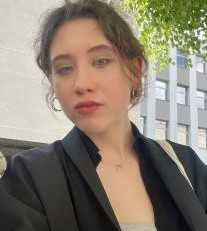
Iuliia Kleimenova(M.S.)
- Mental Impairment
- Networks
- Psychopathology
- Decision-making
- Memory and Learning
- Clinical Neuroscience
Iuliia acquired broad biological knowledge during her undergraduate studies. She worked as a scientist at Thermo Fisher Scientific R&D. During her studies she developed an interest in brain sciences studying the mechanisms underlying brain function, including emotion, thinking, learning, decision-making, and perception. She got training in a neurophysiology lab investigating neuronal network properties in visual processing. She hopes to find new biomedical applications and bridge the knowledge gaps in our understanding of psychiatric diseases in the context of the different cognitive domains using the strength of multiple tools of cognitive science. She is eager to explore how networks modulate cognition and what factors cause their disruption.
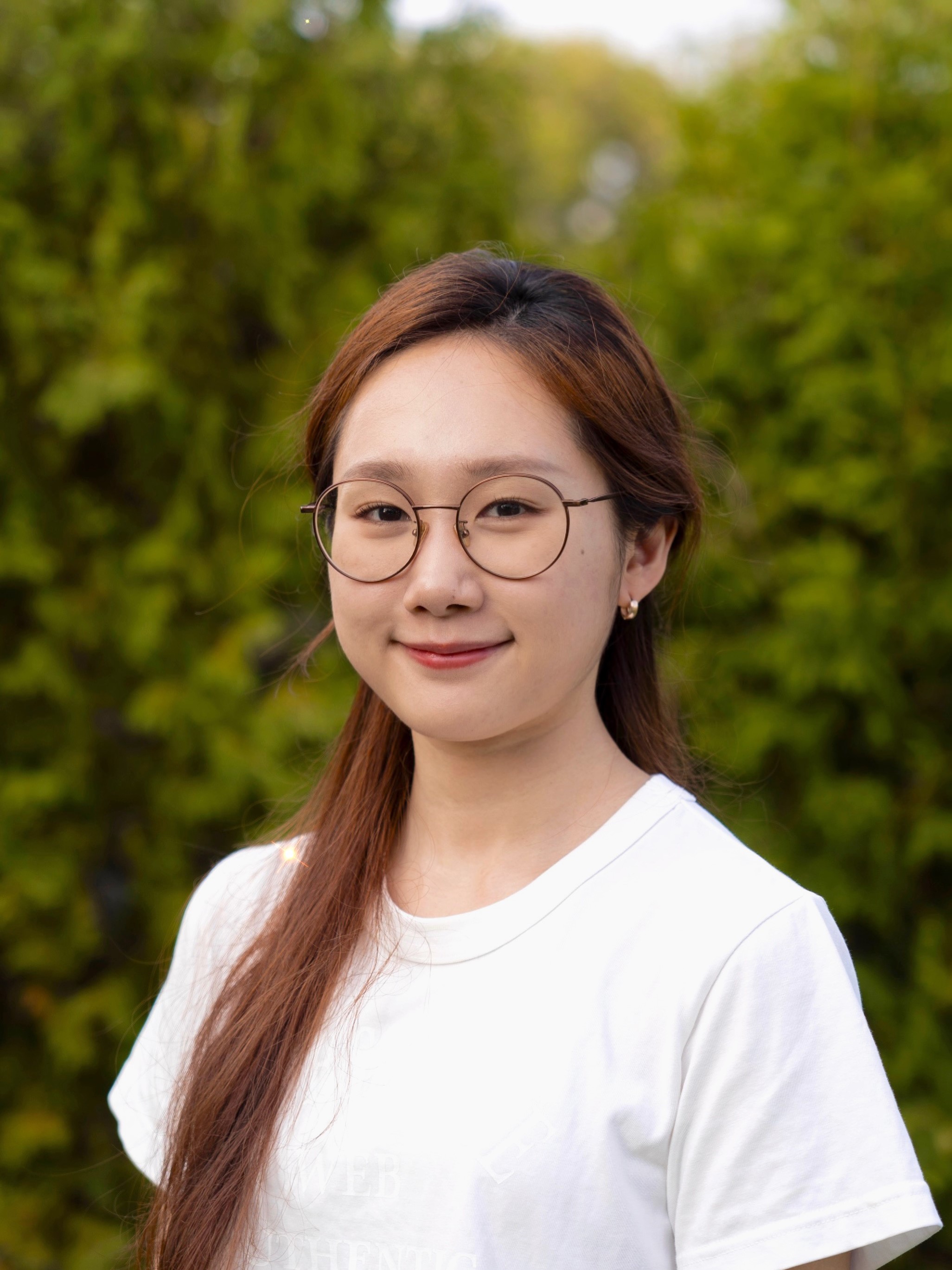
Leehye Kang(M.S.)
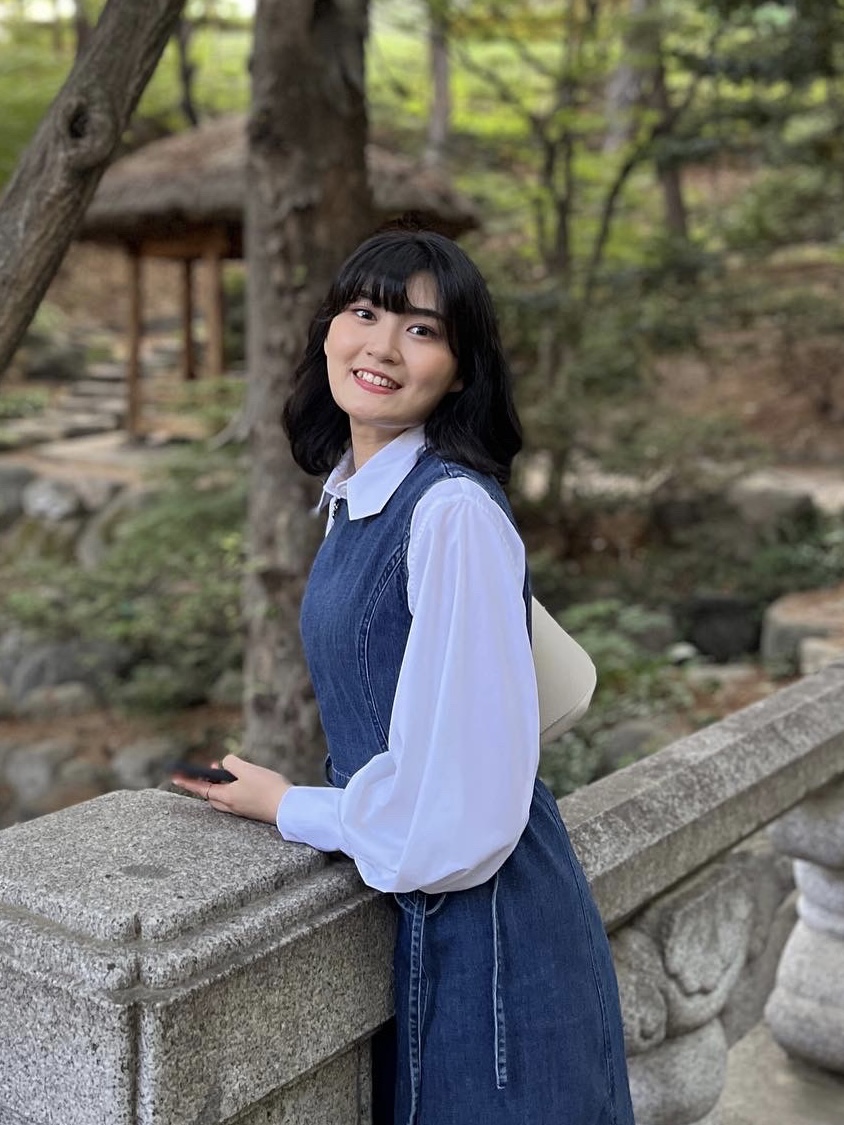
Minji Kim(M.S.)
- Clinical neuroscience
- sleep disorder
- anxiety and depression
- sleeping behaviour and memory
- neurocognitive disorder
- sleep cycle
Studying psychology as an undergraduate and having a particular interest in the relationship between sleeping behaviours and memory, I gradually became interested in neurocognitive science. I aim to acquire a higher level of understanding in neurocognitive science at KAIST based on computational methodology, primarily focusing on the relations between brain-damaged disorders, sleeping disorders and treatments. My ultimate target for my research is building an evidence base to contribute to treatment development for brain diseases related to sleeping issues. Specifically, I hope to research topics of understanding how sleeping disorders can cause and contribute to various risks and other brain damage and how the human sleep cycle (circadian rhythm) can affect and be affected by brain damage and neurocognitive disorders.
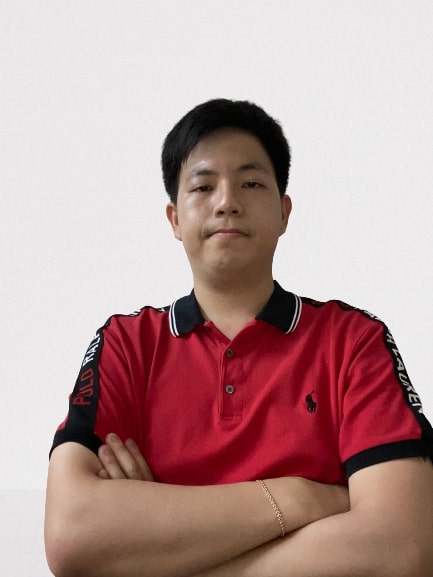
Kim, Wansoo(M.S.)
- Brain-inspired AI
- Decision neuroscience
- Computational neuroscience
- Reinforcement learning
- Neuroeconomics
The human brain is a fascinating subject for research. Among all the various topics, however, it is understanding of brain’s intricate functions and its reflection in our brain when a decision is made that are especially thrilling for me. I chose the Brain Cognitive Science program at KAIST because it does not only offer the opportunities to conduct studies on these phenomena but also provide avenues for applying insights gained from such works on our brain to other research topics, such as brain-inspired artificial intelligence. Specifically, I find emulating the brain’s learning strategy to overcome the trade-off issues associated with AI’s learning systems to be particularly captivating and exciting. Ultimately, I aspire to be an interdisciplinary scholar whose work does not only contribute to what we know about human brain and the mind but also to the application of this knowledge in fields such as AI.
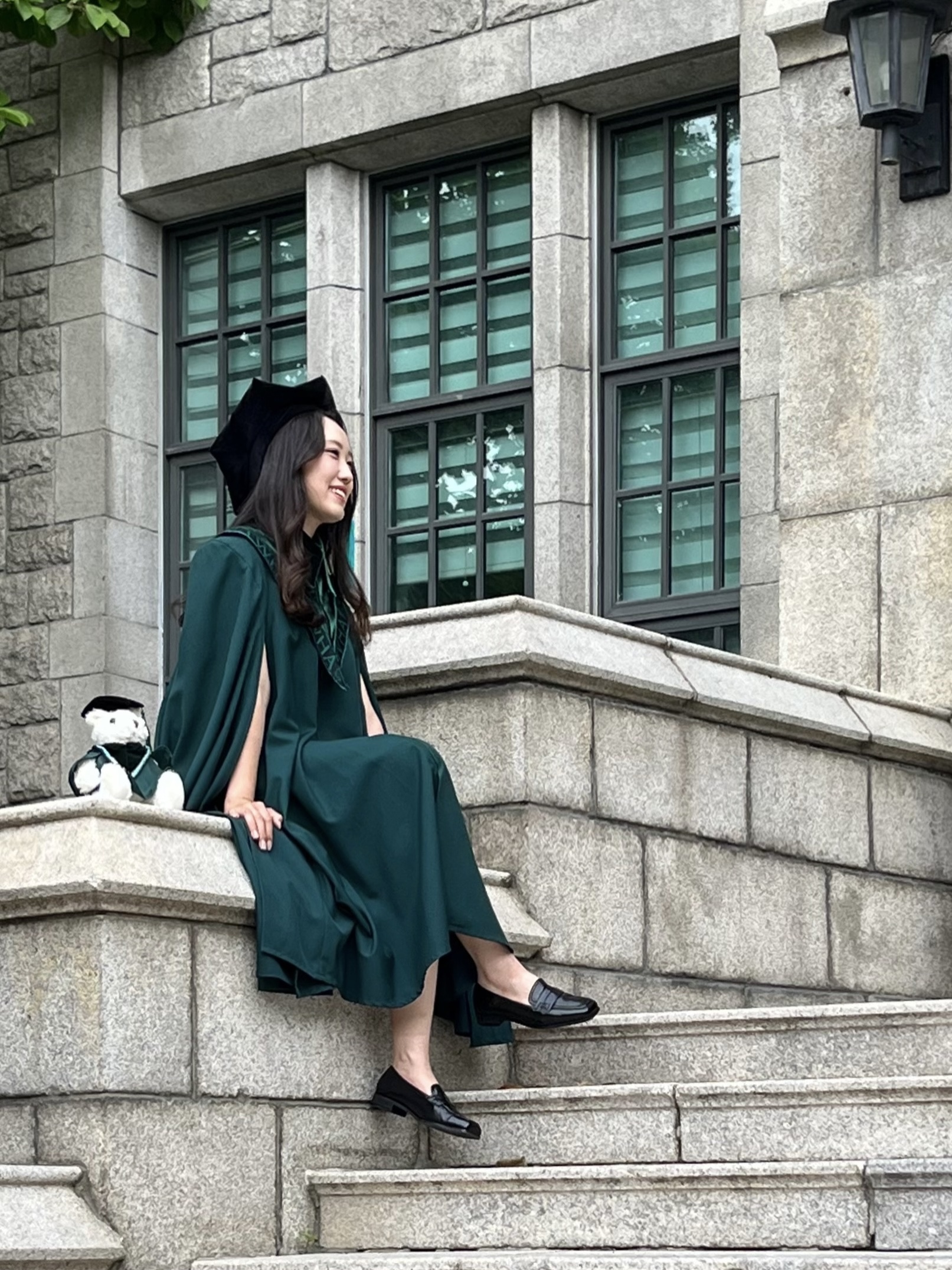
Ryu, Gaeun(M.S.)
- motivation
- cognition
- social behavior
- neural circuit
- disease modeling
- neurofeedback
Gaeun Ryu has been fascinated by self-understanding through interaction with the world and the brain as a mediator. To explore this, she has studied brain&cognitive sciences and life science in her undergraduate years, and is currently an MS student in prof. Jeong Jaeseung’s Lab, the Decision brain dynamics lab. Her research interest is scientific and empirical proof of human motivation and behavior. In particular, she focuses on identifying neural circuits involved in social behavior and extending them to related brain diseases to understand their neuropathological mechanisms. Furthermore, she aims to apply modeling to disease diagnosis and treatment. She aspires to understand the brain and humans through multidisciplinary research, and to contribute to multiple disciplines based on her findings.
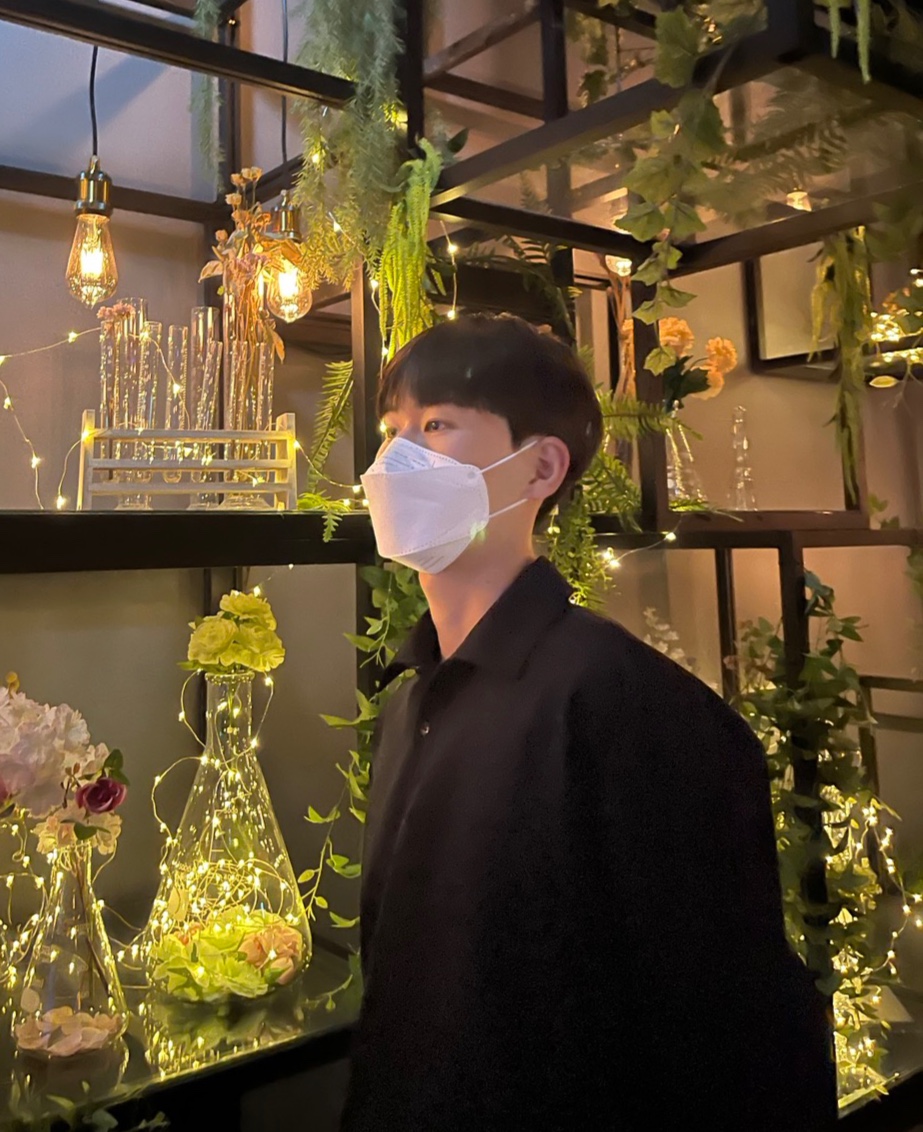
Park Seong-hyun(M.S.)
- Visual prosthetics
- multi-sensory perception
- sensory-disability
I majored in Chemistry during my undergraduate years at Korea University. While studying science, I realized that technological advancements aimed at creating a more convenient world can inadvertently widen the gap among people. Therefore, it is necessary to develop technology for a convenient world, but I thought, "Someone should also develop technology for a world that is not-uncomfortable" With this in mind, I became determined to contribute to narrowing the gap by developing technologies to overcome sensory disabilities. I have a particular interest in various sensory impairments, including blindness. Starting with learning about visual prosthetics in Professor Seung Woo Lee's laboratory, I aspire to expand my knowledge to encompass other sensory disabilities, with the ultimate goal of sharing our daily lives and experiences.
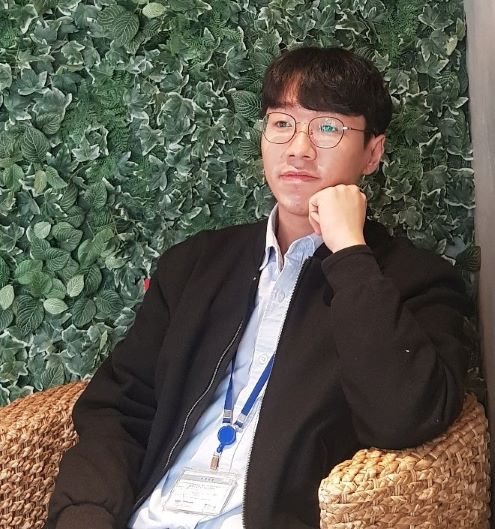
Jae Bin Park(M.S.)
Majoring in Psychology at McGill University, Jae Bin had the opportunity to create intervention programs for young adults that aimed to improve their mental health and also handle real-life stressors. His current research interest includes resilience and suicide and eventually, Jae Bin hopes to study and develop empirically-supported interventions programs that can help improve the resilience of individuals.
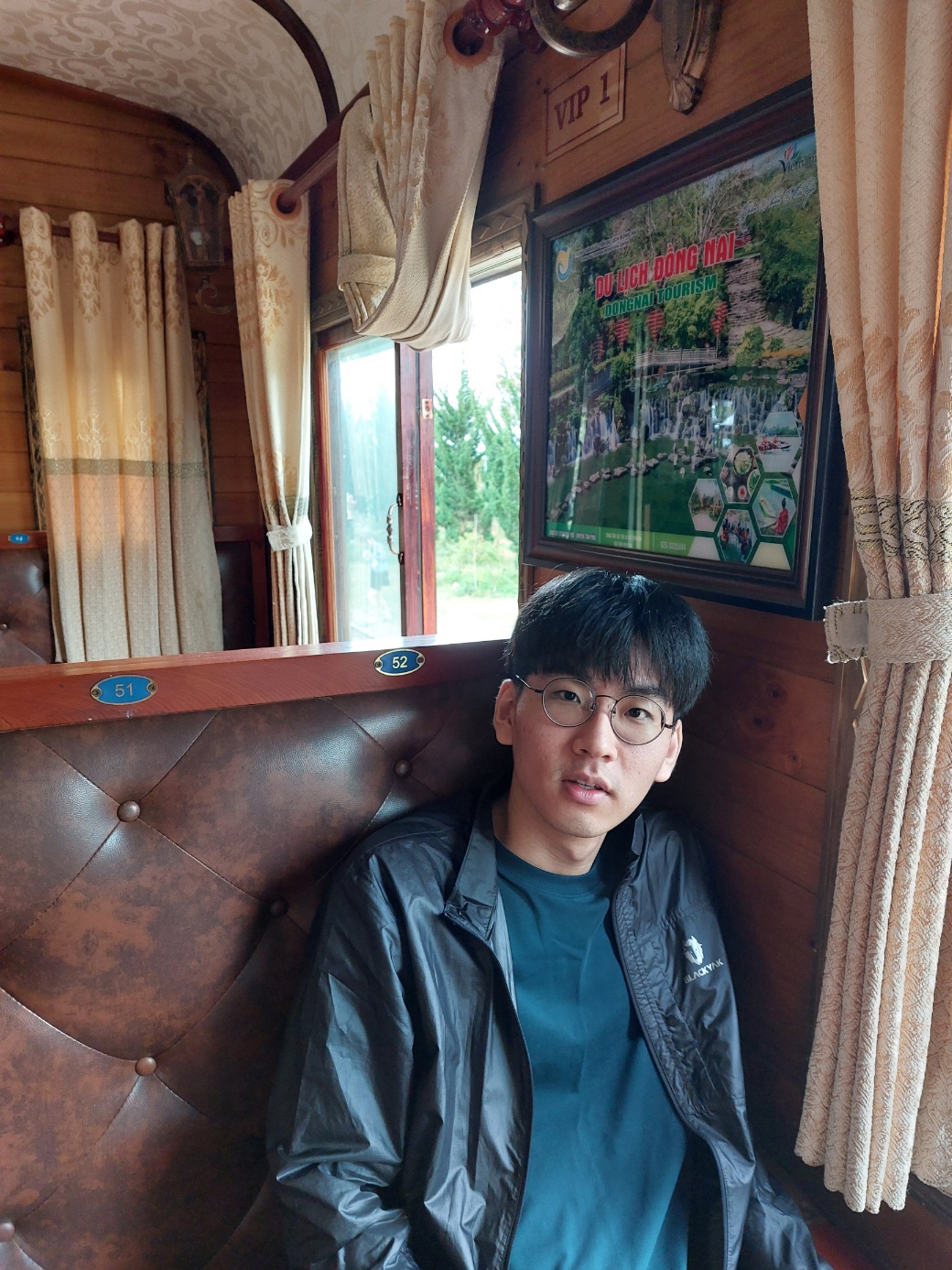
San Kim(B.S.)
- Brain–computer interface
- Metaverse
San had a fundamental question about the brain's thinking system about how the brain handles the five senses of sight, smell, touch, etc.
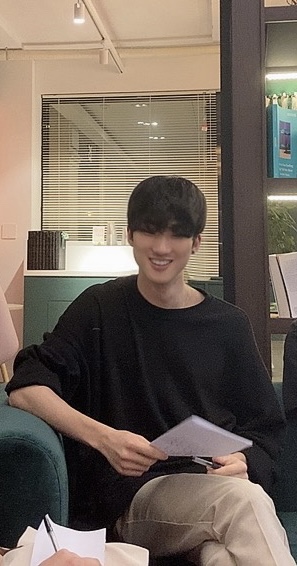
He wants to study how to force the brain to evoke certain images. The technology he wants to realize with this research is the realization of final metaverse that manipulating one's avatar in virtual reality with just thinking.
Shin Seung Jae(M.S.)
- neural circuit
- consciousness
- ion channel
Studying the brain and how humans think is a major question to all humans. Acknowledging the importance of understanding both biology and engineering to truly understand the brain, I have studied medical biology and engineering in my undergraduate years. Studying ion channels as a protein and the circuit they constitute in the brain, have led me to explore deeper into the consciousness of the mind. My interests include how humans think and process thought, exploring them with computational science and big data, including the biological mechanisms behind it. Moreover, hope to understand the human itself better through interdisciplinary studies including human history, philosophy, and psychology.

Eunjin Yang(M.S.)
- personalized diagnosis
- disease in dish
- developmental disorder
- degenerative disease
Eunjin majored in psychology from Korea University. During that time, she worked as lab assistant in Biopsychology lab, involving in mouse experiment of sleep disorder. Also she assisted the research about autism spectrum disorder in Clinical Neurodevelopmental Sciences(CNdS) lab. Currently, she interested in personalized diagnosis and treatment system on mental disorder.

Seohyeon Kang(B.S.)
- Brain science
- Biochemistry
- Dreaming and Challenging
- Neurological medicine
Seohyeon is interested in both brain science and biochemistry. She was very interested in the human brain that she first encountered through books in science high school, and she would like to know about various biochemical mechanisms that occur in the brain. After studying hard and challenging various experiences in the Department of Brain Cognitive Science, she wants to become a brain scientist who studies how to help the cause and treatment of brain diseases in the future.
SeungYoon Oh(M.S.)
- depression
- suicide ideation
- suicide prevention
- mood disorders
- mental disorders
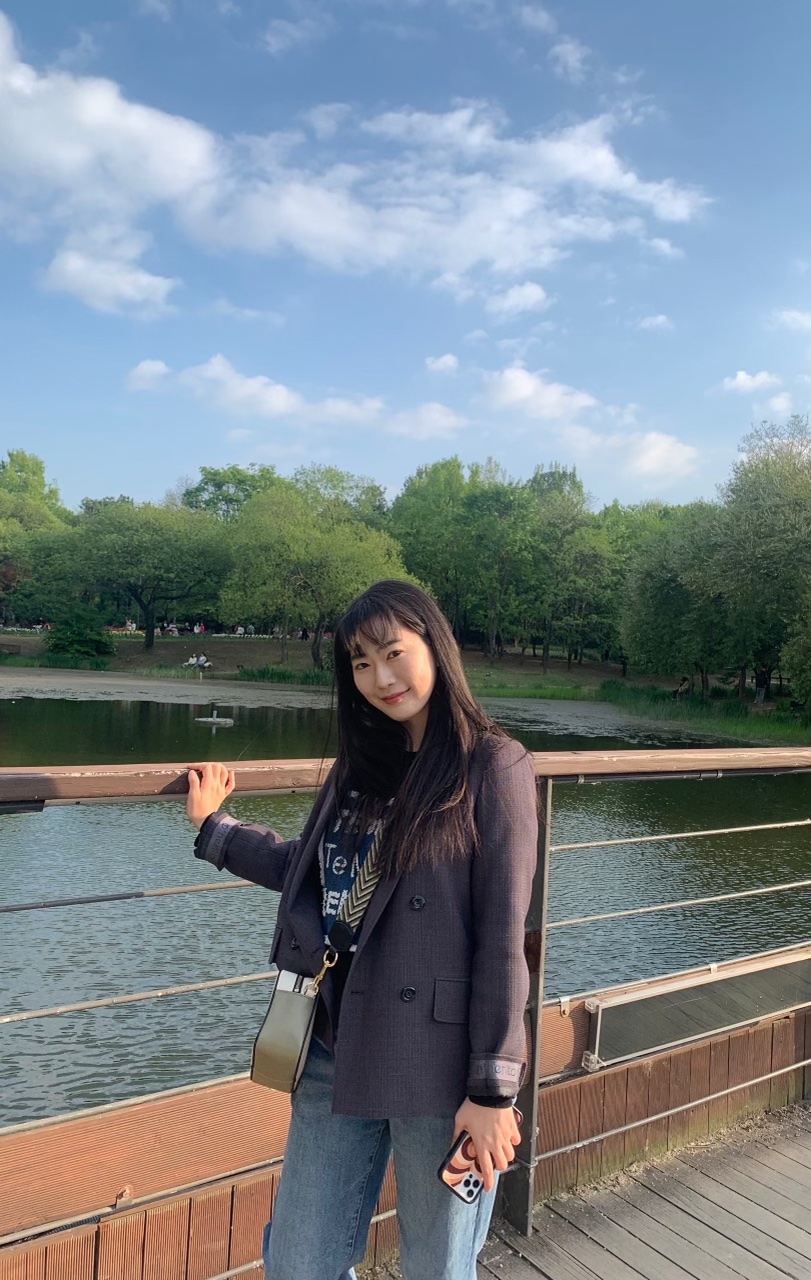
SeungYoon attained her undergraduate degree in Psychology and Neuroscience at the University of Glasgow. During her studies, she developed an interest about the reasons that lead individuals to comtemplate suicide, particularly in relation to mental disorders. She decided to join the Department of Brain and Cognitive Sciences at KAIST with the intention of contributing to the treatment of significant factors that lead to suicide, such as depression, and conducting research dedicated to suicide prevention. While it takes considerable time for an individual to reach the point of contemplating suicide, identifying the underlying causes and implementing effective prevention measures is uneasy. SeungYoon's ultimate goal is to conduct research that aims to prevent suicides caused by psychological factors and facilitate the recovery of mental well-being, enabling individuals to experiecne the joys of life once again.
Hanna Oh(M.S.)
- neuroscience
- cognition
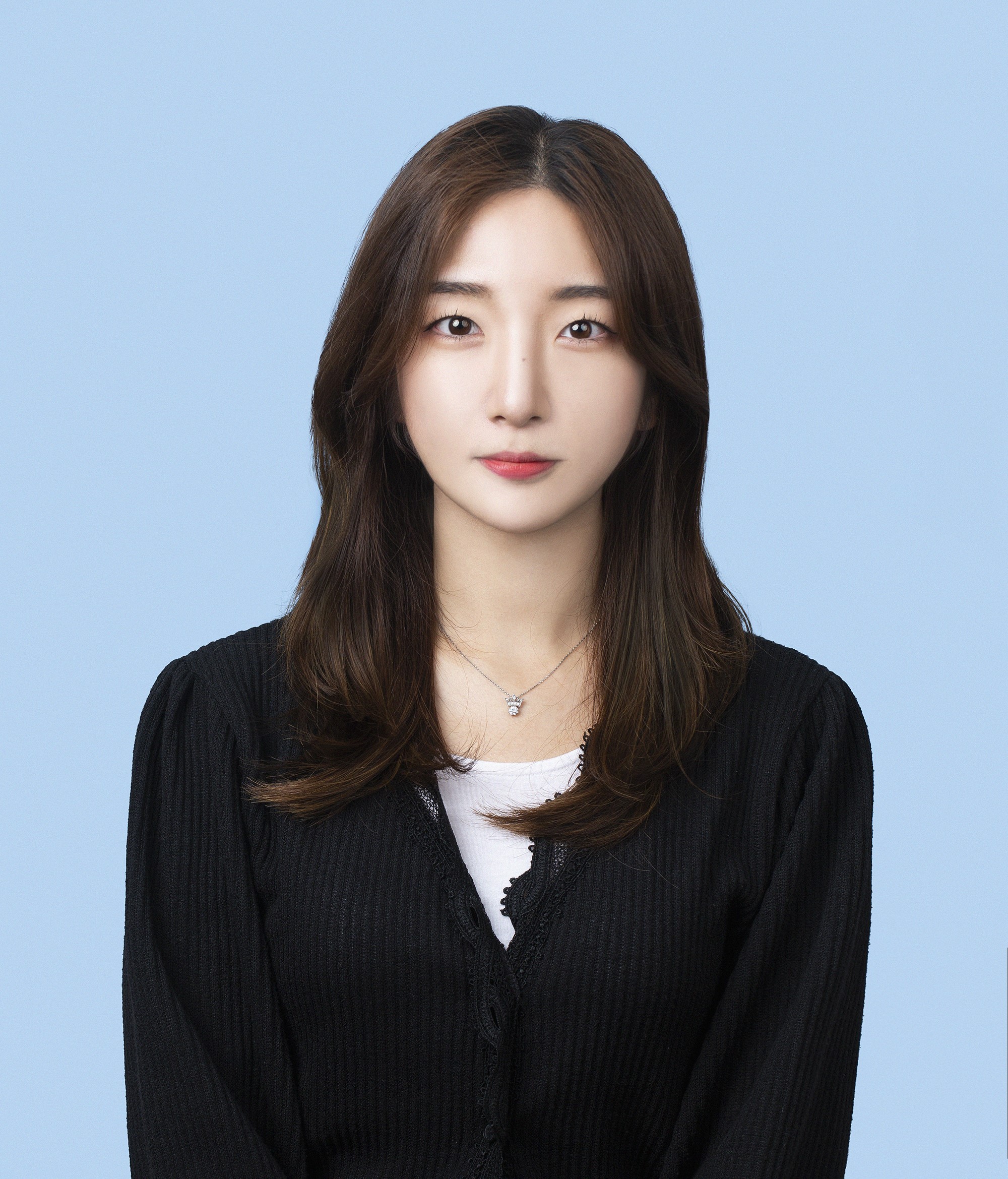
She has dreamed on and on of becoming a person who could contribute to the development of society by exploring the brain, the unknown area. She majored in biological science and psychology at Chonnam National University and was able to study the brain from various perspectives. She also decided to grow into a scientist with an interdisciplinary approach while participating in the study of brain disease, brain engineering, and cognitive science through undergraduate research and internships. Recently, she is interested in how learning and memory occur in the brain and she will always do research in the spirit of trying to learn new things through a master's course in the Department of Brain and Cognitive Sciences at KAIST.
Kim Jun Yeop(B.S.)
- Brain-Computer interface
- Brain engineering sensors
- Biotechnology of Degenerative brain diseases
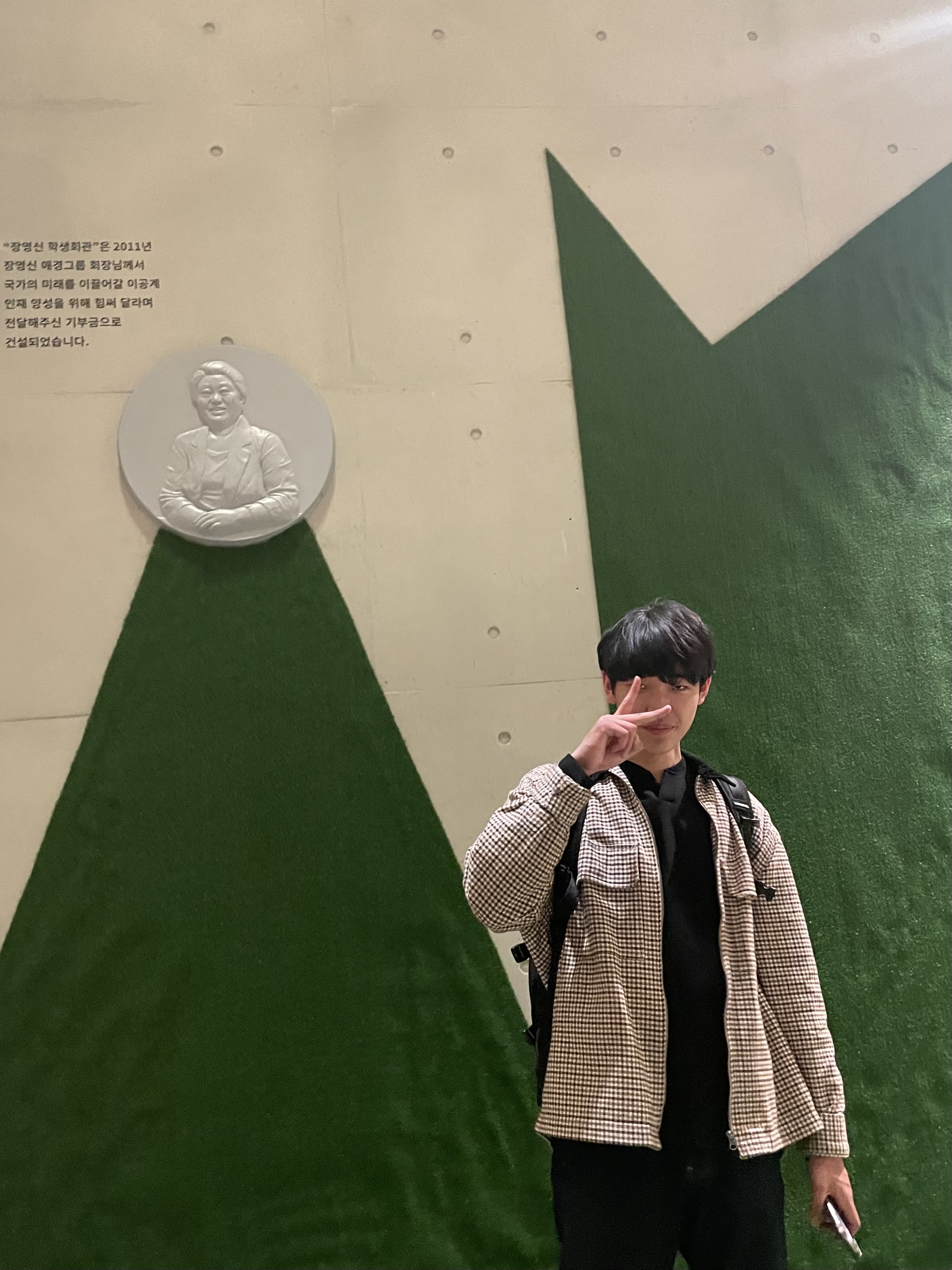
In his bachelor's degree in this department, JunYeop seeks to understand the working principles of the human brain and neurons and to explore its engineering/medical applications. His ultimate goal is to pursue multiple electrical and electronic majors and then incorporate device and sensor technologies into the human brain to develop treatments for degenerative brain diseases or create a new technology business with BCI.
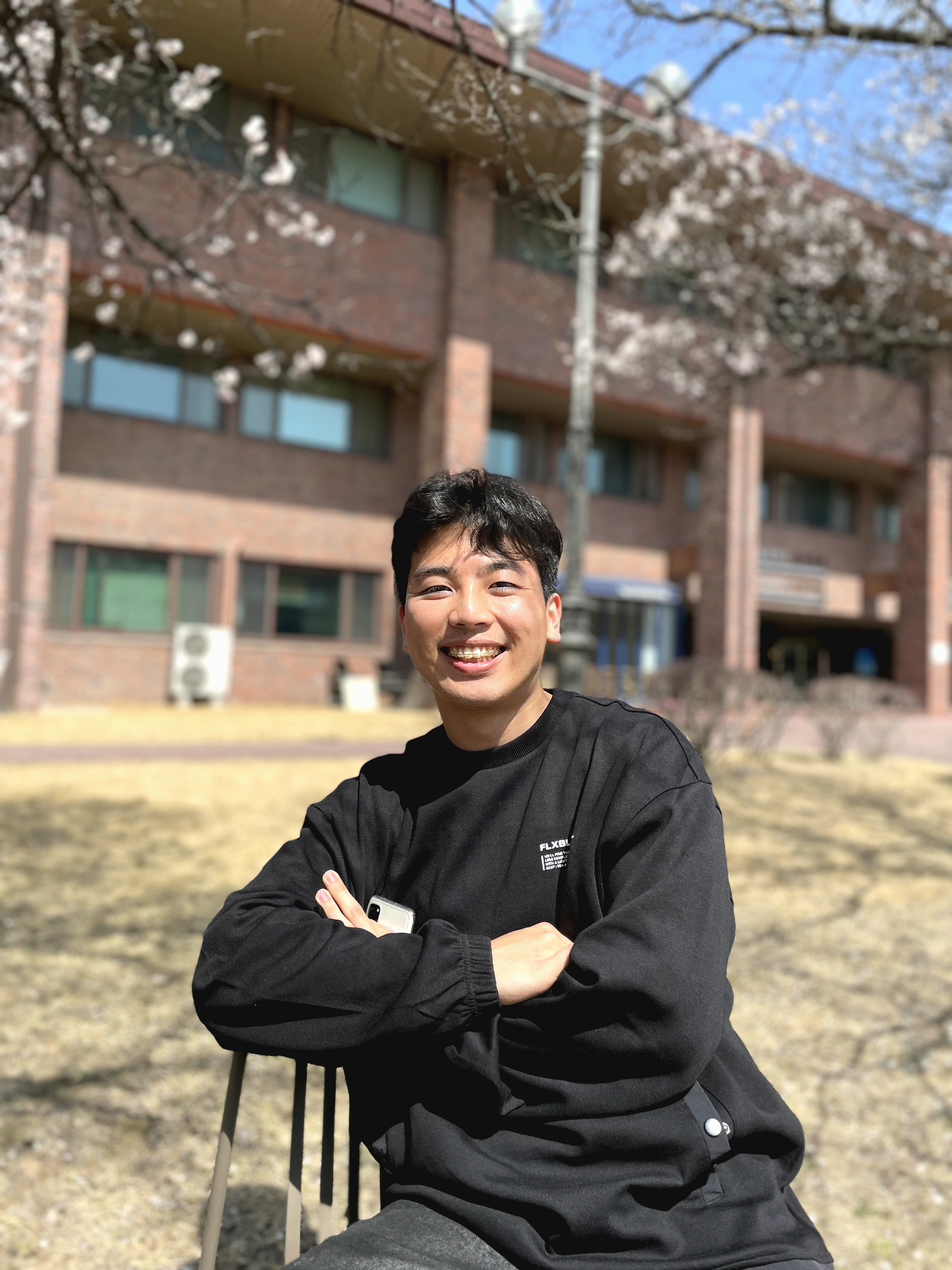
Seung Ju Yoo(M.S.)
- iPSC
- AI
- Neurodegenerative diseases
- Perosnalised medicine
The brain, both mysterious and wondrous, presents inevitable impairments that we must conquer. Seung Ju's research focuses on enabling patient-specific, targeted treatments by identifying the subtypes of brain diseases.
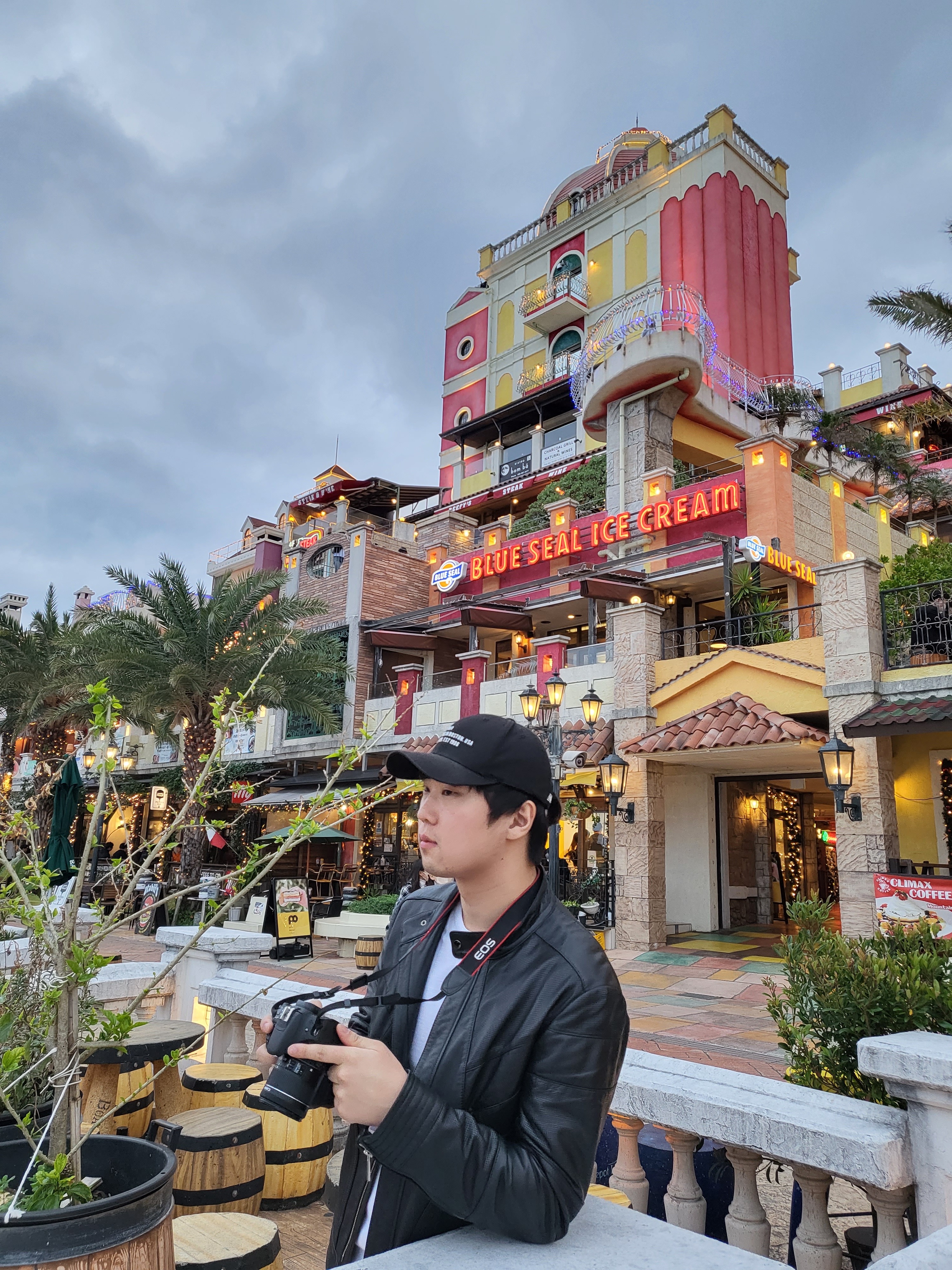
DoHyoung Lee(M.S.)
- Brain-inspired AI
- Model-based fMRI
- Computational neuroscience
- Memory
I majored in Chemistry and Brain Cognitive Sciences at Korea University. The main reason I decided to study the brain was because of a very vague idea: "Can we model the brain artificially?". This idea got me interested in neuroscience. In particular, I want to develop a model of artificial intelligence that has the same valuation and reward system as humans and has human-like behavior. To realize this, it is also essential to discover what the brain does through the process of proposing an appropriate model and comparing it to the brain. By approaching both the brain and artificial intelligence, I hope to understand the mechanisms of how the brain works and use them to conquer the things that current artificial intelligence cannot.
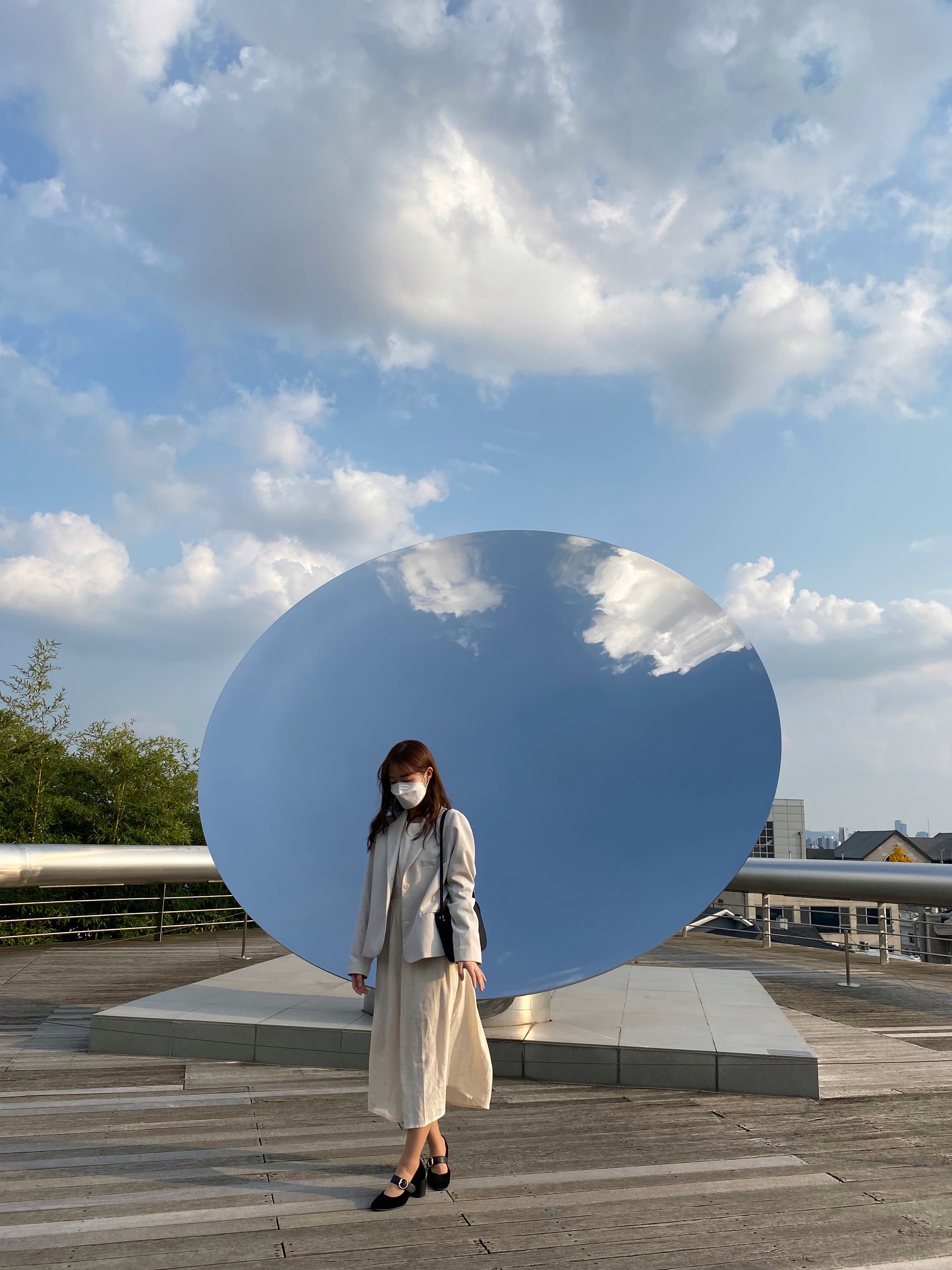
Jeong, Nayeong(M.S.)
- Decision neuroscience
- Computational neuroscience
- Reinforcement learning
- Memory
Nayeong acquired her Bachelor’s degree in Psychology and Electrical Electronic Engineering in Yonsei University. Based on her interest in human cognitive function, she decided to study human intelligence with the aid of brain-inspired AI models. Now, she is an MS student in prof. Sangwan Lee’s Brain and Machine Intelligence Lab. Her research interest is in hippocampal memory-based inference guided by abstract knowledge.
Seokjin Jeong(M.S.)
- Consciousness
- AI
- Learning
- Intelligence
- Creativity
Seokjin Jeong has always been fascinated by the fact that people living in the same physical world experience and live in such different ways, as if they are living in different worlds. It seemed that people live in a worldview reflected through their own cognitive lens, and that stories and abstract concepts provide a strong force that drives them. Through psychology, Seokjin has explored how to bring the abstract concept of the human mind into measurable methods by contrasting the perceived world and the observed world. Through Brain & Cognitive Sciences, Seokjin aims to investigate how abstract concepts arise in the brain and how these abstract concepts interact within the brain. Since people's worldviews and psychological experiences are both emergent properties from electrical signals within the brain, Seokjin believes that through neurobiological research on the brain, it is possible to provide a physical explanation that penetrates human psychological experiences. Though researching people, Seokjin dreams of connecting the diverse perceived worlds of people and presenting a new understanding of humanity.
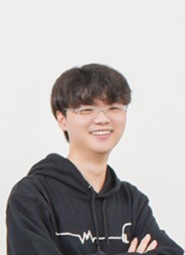
Jaekyoung Lee(B.S.)
- AI algorithm
- Neurogenesis
- qualia
I want to learn various fields of brain and cognitive science and analyze consciousness and experience. The purpose is to use this on studying artificial intelligence that can grow on its own.
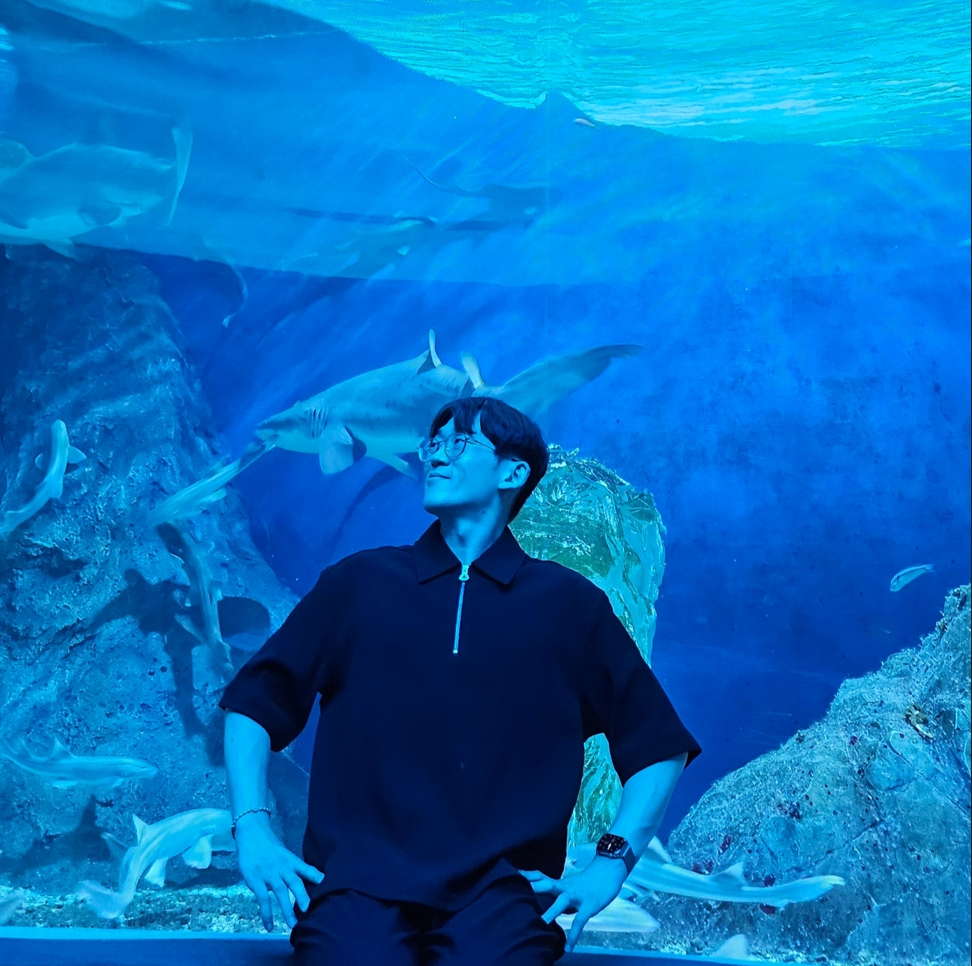
Byung hyug choi(Ph.D.)
- Alzheimer's disease
- Cognitive science
- Age & sensory-related Cognitive Research
- Behavior-Based Cognitive Research
- machine learning based brain network analysis
I graduated from the Department of Biological Sciences at KAIST and joined the Department of Brain and Cognitive Sciences to pursue research related to neurodegenerative diseases. I believe that neurodegenerative diseases, arising from the accumulation of complex issues, require integrated analysis for the development of prevention and treatment methods. To carry out such research, it is crucial to understand the brain in an integrated way, which is why I am conducting my research in the Department of Brain and Cognitive Sciences. Currently, I use machine learning to classify subtypes of dementia. Moving forward, I plan to earn my degree through research that classifies individual characteristics of patients with neurodegenerative diseases and explores ways to inhibit disease progression through sensory and external stimuli. As life expectancy increases, I aspire to contribute to research that ensures mental health keeps pace, helping humanity to stay mentally healthy in the future.
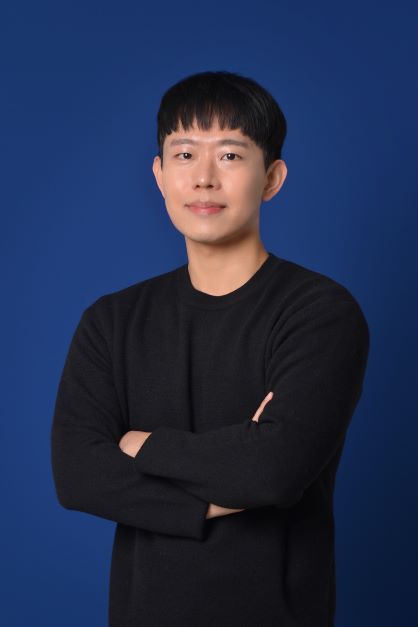
Hoyong Choi(M.S.)
- Memory
- Visual Perception
- Neuronal connectivity
- Neurotransmitter
- Biological approach
- Genetic analysis
Hoyong aims to understand brain network influencing cognition and decision at the level of neuronal connectivity and neurotransmission. Especially, he is interested in Memory and Visual perception. In those topics, his focus of study is which neurons or neurotransmitters have an influence on and how they connected and affect cognitive process. While at the department of brain and cognitive science, Hoyong hopes to deepen his understanding of how neuronal interaction makes high-level brain functions.